
Introduction
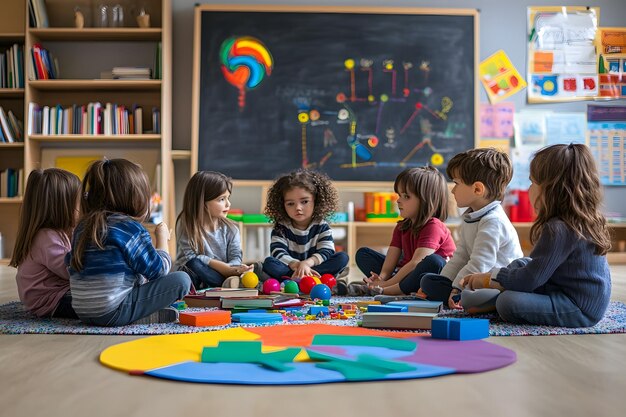
In today’s fast-paced world, children are constantly surrounded by noise, screens, and rapid information. Amidst all this stimulation, developing focus and discipline has naturally become a vital part of healthy growth. These skills are not about strict rules or constant correction but about nurturing inner control and awareness. When children are supported with patience, structure, and meaningful experiences, they learn how to manage their attention and behavior independently. This organic development lays the foundation for confidence, curiosity, and lifelong learning, enabling children to grow into well-rounded individuals who can navigate challenges with resilience.
Understanding Attention in Young Minds
Children experience attention differently at each stage of development. Their ability to concentrate grows gradually and is shaped by interest, environment, and emotional security. Expecting prolonged focus too early can create stress and resistance. Instead, attention strengthens when children are allowed to explore tasks that naturally draw their curiosity. When an activity aligns with a child’s interests, focus emerges effortlessly. Observing individual patterns and honoring each child’s pace allows attention to deepen without force, making learning both enjoyable and effective.
The Role of Order in Daily Life
A well-organized environment supports a child’s sense of stability and predictability. Simple routines help children understand what comes next, reducing anxiety and distractions. Order does not mean inflexible schedules; rather, it provides a reliable framework within which children feel safe to explore. When materials are accessible and spaces are calm, children can concentrate more easily. Over time, this external structure encourages children to develop internal discipline, enabling them to manage time, tasks, and emotions with greater confidence.
Freedom Balanced With Responsibility
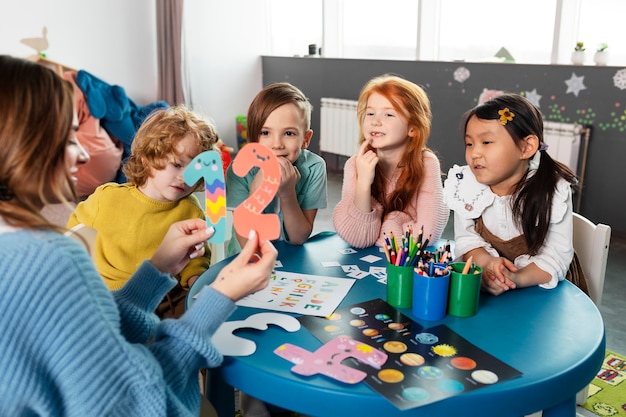
Discipline develops most naturally when children are trusted with choices. Freedom within clear boundaries allows children to learn responsibility through experience. When children make decisions and understand their consequences, self-control becomes meaningful rather than imposed. Educational environments that value independence often reflect this balance, similar to the approach seen in a Montessori school in Vijayanagar Bangalore, where guided freedom supports concentration. Such settings help children build focus by engaging them as active participants in their own learning journey rather than passive followers of instructions.
Learning Through Purposeful Activity
Children are more focused when they see value in what they are doing. Purposeful activities encourage deep engagement and persistence. Tasks that involve real-life application, hands-on exploration, and problem-solving help children stay invested. When effort leads to visible results, children experience satisfaction that motivates them to continue. This sense of purpose strengthens discipline by teaching children that focus leads to accomplishment, reinforcing positive learning habits without the need for constant rewards or reminders.
Emotional Regulation as a Foundation
A child’s emotional state plays a significant role in their ability to focus. Feelings of frustration, anxiety, or confusion can easily disrupt concentration. Teaching children how to identify and express emotions helps them regain control during challenging moments. Calm guidance, emotional validation, and reflective conversations support self-awareness. As children learn to manage their emotions, they become more capable of sustaining attention and responding thoughtfully, which naturally enhances discipline over time.
Creating Supportive Environments at Home
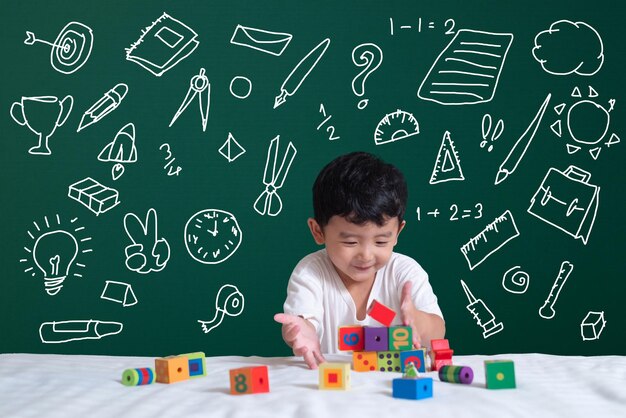
The home is a child’s first learning space, and it greatly influences focus and discipline. Minimizing unnecessary distractions, encouraging independent effort, and allowing uninterrupted time for play or work can make a meaningful difference. Parents often think about choosing the right school, but everyday interactions at home are just as impactful. When children are trusted to solve problems and complete tasks independently, they develop confidence and persistence. A calm, respectful atmosphere helps children internalize self-discipline naturally.
Partnership Between Families and Educators
Consistency between home and educational settings strengthens a child’s learning experience. When families and educators share similar values, children receive clear and supportive guidance. Many learning schools emphasize collaboration with parents to ensure children experience continuity in expectations and routines. Regular communication and shared understanding allow adults to support children’s focus more effectively. This partnership creates a stable environment where discipline is modeled, encouraged, and reinforced in a positive and respectful way.
Patience as a Long-Term Skill
Patience is a critical yet often underestimated element in developing focus and discipline. Children need time to repeat tasks, make mistakes, and refine their abilities. When adults allow this process to unfold without rushing or comparison, children learn persistence. Calm responses to setbacks teach children that challenges are part of learning. Gradually, they develop the ability to wait, observe, and stay engaged. Patience nurtures mental endurance, helping children build lasting concentration and confidence through consistent effort rather than instant results.
Conclusion
Helping children develop focus and discipline naturally is a journey that requires understanding, trust, and consistency. By offering structured environments, meaningful activities, emotional support, and patience, adults empower children to build self-regulation from within. When discipline grows through respect and purpose, children learn to manage their attention and actions confidently. This internal strength supports not only academic success but also emotional resilience, preparing children to approach life with clarity, balance, and independence.