
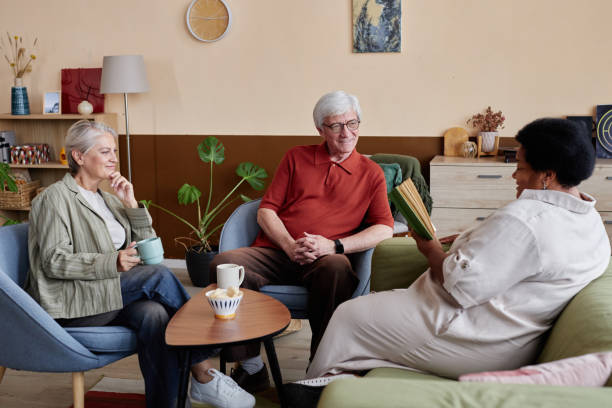
Modern senior living is undergoing a significant transformation. Longer life expectancy, shifting family structures, and rising expectations around independence are changing what older adults want from their next chapter. Instead of viewing aging as a period defined by limitations, many seniors now seek environments that support wellbeing, purpose, and connection. These communities are not only responding to practical needs such as safety and healthcare access, but also prioritizing dignity, autonomy, and engagement.
Beyond Traditional Senior Housing
For years, senior housing was largely framed as a choice between staying at home or moving into a care-focused facility. Today, the spectrum is much broader. Modern communities increasingly blend hospitality, lifestyle, and health support in ways that feel less institutional and more empowering. Seniors can choose settings that match their preferences, whether that means an active, social environment or a quieter, wellness-centered one.
Independence With Support Options
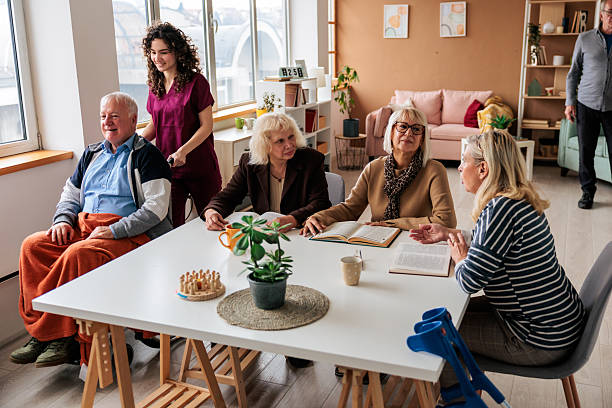
Many communities are now designed around the idea that seniors should keep control over their routines and decisions while having support readily available. This is where flexible service models stand out. Residents may live in private units while opting into meal plans, housekeeping, transportation, or wellness services when they choose.
Within this evolving landscape, Kamdhenu Retreat is a retirement community home that aligns with the broader movement toward choice-driven living, where comfort and support can coexist with independence. The most impactful communities are those that remove daily burdens without removing agency, enabling seniors to focus on relationships, hobbies, and health.
Design That Enables Mobility
The physical design of senior communities is becoming more intentional, with accessibility integrated from the start rather than added as an afterthought.Design also plays a psychological role. Natural light, green spaces, calming color schemes, and quiet zones can reduce stress and improve mood. The emotional impact of senior homes becomes evident when residences feel like real homes rather than clinical spaces, helping seniors experience better emotional well-being and a stronger sense of belonging.
Age-Friendly Home Layouts
Small design choices can have an outsized impact on daily life. Accessible storage heights, easy-grip handles, seated shower areas, and strategically placed resting spots encourage movement without exhaustion. These features help seniors remain active longer while reducing dependence on assistance.
Shared Spaces For Connection
Modern communities increasingly include welcoming shared spaces, lounges, libraries, courtyards, hobby rooms, and cafés, designed to make interaction effortless.
Nature-Integrated Daily Living
Access to gardens, walking paths, and outdoor seating is no longer a luxury feature. Exposure to nature is linked with better sleep, improved mood, and reduced feelings of isolation.
Privacy That Preserves Dignity
Many modern settings balance shared experiences with private living through sound-conscious construction, private balconies or patios, and unit designs that allow residents to host family comfortably.
Smart Tech For Safety
Technology is changing senior living in practical and meaningful ways. Wearables can detect falls, smart sensors can monitor movement patterns, and emergency response systems can offer quick support without feeling intrusive.
The best implementations are subtle and resident-friendly. Instead of creating an atmosphere of surveillance, modern communities use technology to reduce worry, for residents and families, while allowing seniors to continue living on their own terms.
Wellness Beyond Basic Healthcare
A key change in modern communities is the expanded definition of “health.” Wellness programming now often includes fitness, nutrition, mental health resources, preventative screenings, and therapeutic activities. Yoga, low-impact strength training, guided meditation, and physiotherapy-led movement sessions are becoming standard features rather than premium add-ons.
Nutrition is also evolving. Seniors increasingly want meals that are balanced, flavorful, and aligned with dietary needs, without sacrificing the joy of dining. Communal meal spaces double as social anchors, reinforcing connection alongside healthy routines.
Purposeful Programs And Belonging
Social well-being has moved to the center of senior living design. Modern communities commonly offer interest-based clubs, educational workshops, volunteering opportunities, cultural events, and intergenerational interactions.
When seniors participate in meaningful activities, such as mentoring, teaching skills, organizing events, or contributing to community decisions, they often feel more valued and engaged.
Resident-Led Clubs And Groups
When residents help shape activities, participation tends to rise. Communities that encourage resident committees and peer-led groups create a culture where seniors feel ownership rather than passive enrollment.
Lifelong Learning Opportunities
Workshops, speaker sessions, language classes, and creative learning help maintain cognitive engagement. Lifelong learning is increasingly viewed as a wellness strategy that supports curiosity and connection.
Family And Community Events
Communities that host open events, festivals, exhibitions, and performances help residents maintain strong ties outside the community, reducing isolation and supporting a fuller social life.
Care That Adapts Over Time
A major concern for seniors and families is what happens when health needs evolve. Modern communities increasingly address this through adaptable care models. Some offer tiered services, enabling residents to add assistance gradually rather than relocating immediately within a senior living community that is designed to adjust to changing care needs over time.
This flexibility reduces disruption and supports aging in place. When seniors can stay in a familiar environment with escalating support, whether for mobility help, medication management, or personal care, they often experience less stress and better continuity.
Personalized Living With Dignity
Customization is now the norm rather than the exception. From activity preferences and dining choices to care plans and room layouts, seniors want options that reflect their lifestyle. Communities that listen and adapt signal respect, an essential factor in preserving dignity.
Specialized Communities Are Emerging
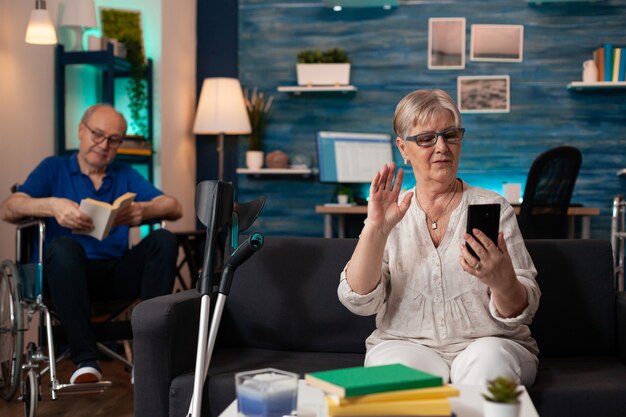
Not all senior communities look the same, and specialization is accelerating. Seniors are increasingly choosing environments that match their personality and values, not just their medical needs. Choosing elder care communities that specialize in experience-driven and resident-focused living ensures seniors receive the care, safety, and engagement they need. As expectations rise, communities that combine comfort, social connection, and meaningful living will shape the future of senior life.
Conclusion
Modern communities are changing the way seniors live by redefining what support looks like. Instead of centering aging around decline, they are building environments where independence is protected, health is proactively supported, and social connection is woven into everyday routines.
 Krishna