
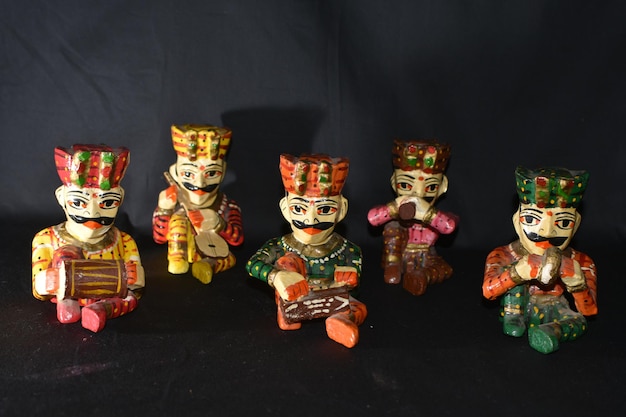
Throughout history, the traditional toys have reflected the nation’s artistic richness and regional diversity. Each state brings its signature styles to the world of play, whether it’s the glossy wooden Channapatna toys from Karnataka, the painted terracotta figures of West Bengal, or the charming Kondapalli toys of Andhra Pradesh. Passed down through generations, these handmade treasures not only foster imaginative play, but also keep alive the techniques and legends of their origins. As you explore different corners of the country, the unique forms, colors, and stories woven into each toy provide a beautiful window into India’s vibrant heritage.
Inspiration for Today’s Creators
Contemporary toy designers and artisans often look to traditional toys in India for guidance and inspiration. By drawing on ancient patterns, folk art motifs, and crafting methods, makers are able to produce toys that feel both nostalgic and fresh. Hand-painted blocks featuring Warli and Madhubani designs or plush animals dressed in regional textiles bring the spirit of cultural connection into modern playrooms. For today’s kids, this imaginative fusion guarantees that tradition is not only maintained but also stimulates creativity and artistic inquiry.
Cultural Discovery Through Play
For families, the joy of introducing traditional toys to their children is deeply meaningful. Each handcrafted object offers a hands-on introduction to Indian heritage, sparking questions and stories about festivals, villages, and ancestral ways of living. Playing with a set of miniature clay kitchenware or a spinning top is not just fun—it’s a journey through the customs and values that have shaped life across the subcontinent. These authentic experiences fit beautifully into modern playrooms, turning playtime into opportunities for children to develop pride in their roots while learning the art of storytelling and cultural appreciation.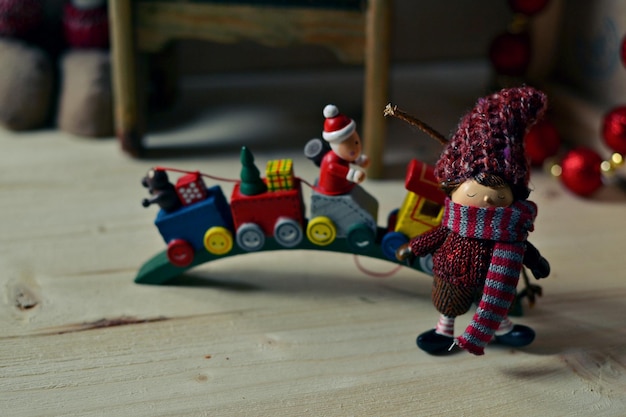
Learning and Growth with Handmade Toys
Beyond their visual appeal, the traditional toys play a pivotal role in early development. Their tactile shapes and natural materials encourage children to use all their senses, enhancing coordination, problem-solving, and creativity.Games like five stones, gilli-danda, or pachisi foster strategic thinking and healthy competition, while playing with handmade dolls and animals fosters empathy and imaginative role-play. These toys gently guide children to discover new worlds and master new skills in the most joyful ways.
Sustainable Choices for a Better Future
Teachers and parents are rediscovering the environmental lessons found in India’s traditional toys. Crafted from wood, clay, cotton, and natural dyes, these toys are designed to last, with an eco-friendly footprint that stands in contrast to mass-produced plastic. Choosing handmade playthings supports rural artisans, preserves endangered crafts, and teaches children the value of sustainability. This mindful approach benefits families, community economies, and the planet alike, making it possible for tradition and conscious living to thrive side by side.
Bonding Across Generations
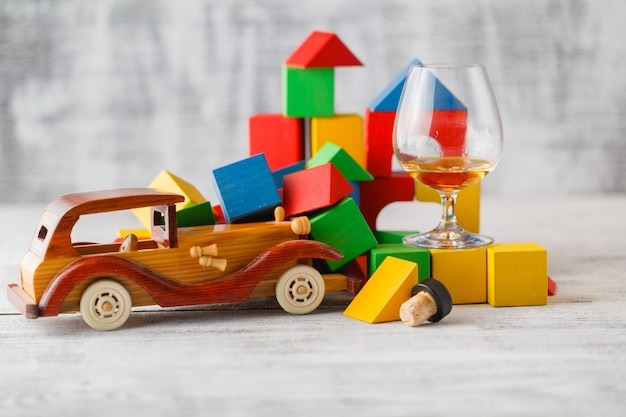
Handmade toys have a special power to bring families together. For grandparents and parents, sharing traditional toys is a way to relive cherished childhood moments and introduce family tales to a new generation. These easy activities, like playing carrom together, showing off how to spin a lattoo, or setting up clay figures at a festival, improve relationships and produce enduring memorieThe joy found in these moments has the capacity to cross age gaps, weaving collective traditions that will endure for years to come.
The Revival in Modern Markets
Toy shops, craft fairs, and digital marketplaces across the world now showcase the growing popularity of toys of India. Collaborations between artisans and contemporary designers have breathed new life into classic favorites, offering eco-friendly, safe, and aesthetically beautiful toys to families everywhere. Modern packaging and storytelling highlight the cultural roots of each piece, allowing these handmade treasures to take center stage wherever they travel.
Conclusion
In today’s ever-changing world, thel toys remain cherished links to the nation’s cultural soul. By bringing these handmade wonders into their homes, families share more than entertainment they nurture identity, instil values, and keep the magic of shared heritage alive. As Indian toys adapt and inspire, they ensure that the colorful journey of handmade play continues, nurturing imagination and connection in every generation that holds them close.
 Krishna