
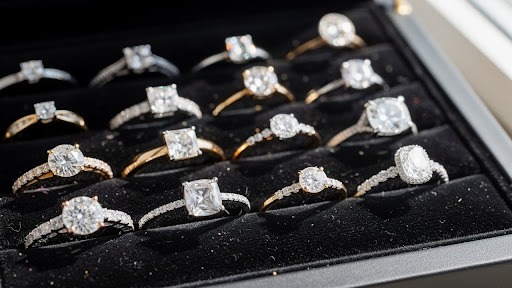
Standing before a jewelry counter asking about an engagement ring can feel overwhelming. This small circle of metal and stone will symbolize your love story for decades to come.
The choices seem endless metals, diamond shapes, lab-grown vs. natural stones, the 4 Cs, trendy designs, and fluctuating price tags. For most people, this represents their largest jewelry investment.
Common mistakes with an engagement ring can cause both emotional and financial pain. Overpaying, selecting an incompatible style, or neglecting to research stone quality often leads to lasting regret. Fortunately, most missteps are easily preventable with proper information and thoughtful planning.
This guide examines the most significant mistakes people make when purchasing an engagement ring and provides clear strategies to avoid each pitfall.
Not Setting a Realistic Budget Before Shopping

Walking into a store without a clear engagement ring budget invites overspending. Set a budget that fits your finances.
The three months’ salary rule is marketing, not advice. Without limits, upselling happens easily.
A better approach:
- Review your finances honestly. Check income, bills, savings, and debt.
- Choose a comfortable range that preserves emergency funds.
- Talk as a couple. Open conversation removes guesswork.
With lab-grown diamonds or colored gemstones, you can buy a stunning engagement ring that keeps life on track.
Ignoring Your Partner’s Personal Style and Preferences
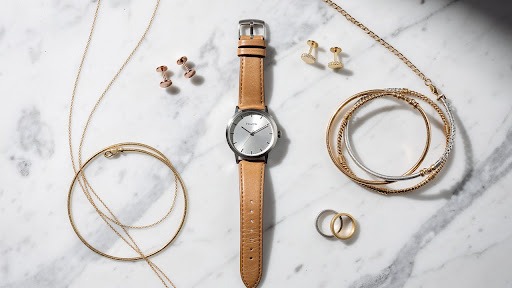
A common mistake is ignoring the wearer’s taste. An expensive ring feels wrong if it doesn’t match their style.
Observe your partner’s personal style and existing jewelry:
- Delicate or chunky?
- Colorful or neutral?
- Vintage or modern?
- Yellow gold or white metals?
If unsure, browse designs together or ask friends and family.
Consider lifestyle. Those working with their hands may need a lower-profile engagement ring or bezel setting.
Skipping Research on the 4 Cs and Stone Quality
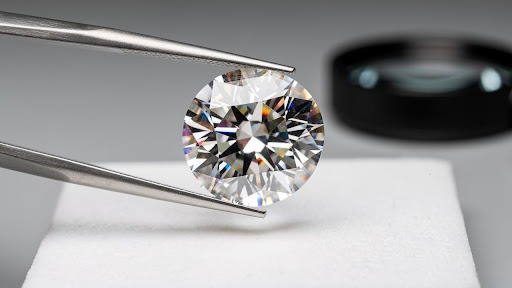
Diamond quality depends on the 4 Cs: Cut, color, clarity, and carat. Learn more about understanding diamond quality.
- Cut: How well the stone is shaped; it affects sparkle the most.
- Color: How white or tinted the stone looks.
- Clarity: Internal or external marks.
- Carat weight: How much the stone weighs.
Cut matters most. A well-cut diamond sparkles beautifully even at smaller sizes, while a poorly cut stone looks dull.
For value, choose near-colorless (G–H) and SI1–SI2 clarity this looks eye-clean without paying for grades that only experts notice.
Get a diamond certification from GIA or AGS to verify the 4 Cs and avoid inflated claims.
Choosing Trends Over Timeless Design
Trendy designs tempt buyers. East–West settings and chunky gold bands look fresh online. The risk comes when choosing a ring solely because it feels current.
Style’s cycle. A modern design might feel dated later, leading to costly resets or replacements.
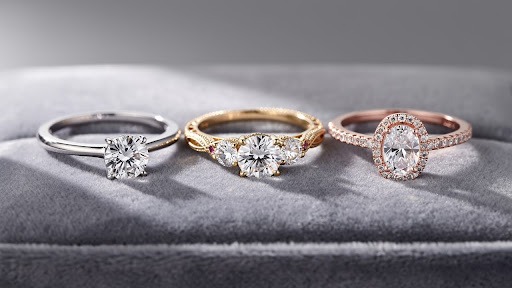
Treat trends as accents. Classic silhouettes like round or oval solitaire engagement rings, three-stone rings, or simple pavé bands remain loved across generations. Add personal touches like sculpted bands or warmer diamond tones.
Explore the best engagement rings to see designs that balance timelessness with individuality.
Overlooking Metal Quality and Durability

Many focus on the stone and forget that the metal endures daily wear. The band and setting affect how well the ring keeps its shape.
Gold comes in different purity levels:
- 14k gold: Harder and more scratch-resistant.
- 18k gold: Richer color but softer.
- Platinum: Heavier, naturally white, very durable.
Yellow gold, white gold, and rose gold create different moods. White gold requires periodic rhodium re-plating.
Band thickness matters. Thin bands bend and wear faster. A substantial band protects stones and holds shape better.
Not Considering the Ring Size and Fit
Engagement rings must fit properly. Too tight cuts the finger; too loose slides off.
Fingers change size throughout the day due to heat, cold, salt, and exercise. Check the ring size multiple times. Late afternoon gives reliable measurements.
For surprise proposals:
- Borrow a ring your partner wears on the same finger.
- Trace it on paper.
- Ask a trusted friend.
- Use printable sizing tools.
Simple bands and solitaires resize easily. Wide bands, tension settings, and eternity bands leave little room. Many jewelers offer one free resizing.
Failing to Verify Ethical Sourcing and Certifications
An engagement ring symbolizes love and commitment, so buyers want no hidden harm. Skipping sourcing questions risks supporting mining that hurts workers or funds conflict.
Conflict-free diamonds come from suppliers that do not fund war or abuse. The Kimberley Process blocks conflict stones. Responsible jewelers share clear sourcing details.
Certification matters. A grading report from GIA or AGS confirms claimed qualities. Without paperwork, stones can be misgraded.
Lab diamond engagement rings offer the same sparkle and hardness as mined stones while providing a clearly traceable and controlled origin.
- Where did this stone come from?
- What are your sourcing policies?
- Do you follow the Kimberley Process?
- Which lab graded this stone?
Neglecting Warranties, Returns, and After-Purchase Support
An engagement ring needs ongoing care cleaning, inspections, and repairs. Without clear warranties and returns, small issues become costly.
A thirty-day return policy provides security. Vague or no-return rules signal caution.
Warranties and service matter. Many jewelers offer cleaning, prong checks, and stone replacement. Know exclusions loss, theft, and main stone damage typically need separate insurance.
Ask about:
- Return terms and duration.
- Warranty coverage.
- Resizing inclusion.
- Shipping policies.
For online orders, insured shipping protects your engagement ring. Free resizing helps since sizing can vary.
Conclusion
Buying an engagement ring carries big feelings, but it does not require stress. Avoiding common mistakes makes a huge difference. Setting a budget, focusing on style, learning the 4 Cs, choosing timeless designs, picking durable metal, getting the fit right, checking ethical sourcing, and understanding warranties protect both heart and wallet.
When these pieces align, the process feels less like guessing and more like thoughtful care. An engagement ring chosen this way reflects the wearer, fits shared finances, and comes from a jeweler who stands behind their work.
With learning and honest reflection, anyone can choose an engagement ring that feels right on day one and in the memories that follow for life.